
Too Many Decisions: The Hidden Cost of Decision Fatigue

Have you ever felt mentally drained by the sheer number of decisions you have to make in a day? From trivial choices like what to eat for breakfast to high-stakes decisions at work, your brain is constantly in overdrive. This mental exhaustion is called decision fatigue, a phenomenon where the quality of your decisions deteriorates after an extended period of decision-making.
Decision fatigue doesn’t just impact your personal life—it can also affect your professional performance, relationships, and overall well-being. But here’s the good news: by recognizing the signs of decision fatigue and implementing targeted strategies, you can regain control of your mental energy and make choices that align with your goals and values.
What is Decision Fatigue?
Picture this: it’s the end of a long day, and you’re standing in the grocery store aisle, staring blankly at the endless options of pasta sauce. Do you want marinara, alfredo, or pesto? Do you splurge on the organic brand or stick with what’s on sale? Suddenly, this seemingly simple decision feels like an insurmountable task.
This, my friend, is decision fatigue in action.
Decision fatigue happens when the mental energy required to make decisions gets depleted over time. It’s not about the size or importance of the choices—it’s the sheer number of them that wears you down. Every decision you make throughout the day, from “What should I wear?” to “How should I approach this project at work?” chips away at your brain’s ability to focus and think clearly.
The concept was first popularized by psychologist Roy Baumeister, who discovered that decision-making is a finite resource. Just like your muscles tire after a workout, your brain tires after a marathon of choices. And just like your physical strength wanes when you’re tired, your ability to make thoughtful, well-reasoned decisions starts to falter when your mental energy runs low.
So, how does this show up in your life?
For starters, you might find yourself procrastinating on important tasks or making impulsive decisions that you wouldn’t normally choose (hello, late-night online shopping spree). Or maybe you’ve experienced the dreaded “decision paralysis,” where even a small choice feels overwhelming, and you end up avoiding it altogether.
The modern world only amplifies decision fatigue. We’re bombarded with choices—what to eat, what to wear, what to watch, and even how to respond to the 87 unread emails in your inbox. Add in the bigger decisions, like how to prioritize your work or navigate personal challenges, and it’s no wonder your brain feels like it’s running on empty by the end of the day.
But here’s the thing: decision fatigue isn’t a reflection of your capabilities or intelligence. It’s a natural response to the demands of daily life. The good news? You don’t have to accept it as your default state. By understanding how decision fatigue works, you can start taking steps to preserve your mental energy and reclaim your focus.
The Impact of Decision Fatigue
You might think decision fatigue is just a minor annoyance, but its ripple effects can be surprisingly far-reaching. When your mental energy is running on fumes, the consequences can show up in ways that affect your productivity, relationships, and overall well-being.
1. Poor Decision-Making
Ever wonder why so many bad decisions happen late in the day? Decision fatigue erodes your ability to think critically and weigh options carefully. Instead, you might default to what’s easiest—grabbing fast food for dinner, saying “yes” to commitments you don’t have time for, or putting off important tasks until tomorrow (and tomorrow, and tomorrow).
Research has even shown that decision fatigue can affect major life outcomes. For example, one study found that judges were more likely to deny parole later in the day when their mental energy was low. If even highly trained professionals are susceptible, it’s no wonder we find ourselves reaching for the cookie jar or binge-watching TV after a long day.
2. Increased Stress and Overwhelm
When your brain is constantly juggling decisions, even small choices can feel monumental. This adds unnecessary stress to your day, making you more irritable, anxious, or overwhelmed. The pressure to “get it right” can become paralyzing, especially when you’re dealing with high-stakes decisions at work or in your personal life.
3. Reduced Productivity
Have you ever spent half your day debating how to approach a task, only to feel like you’ve accomplished nothing? Decision fatigue drains your focus and efficiency. Instead of diving into your to-do list, you might find yourself stuck in analysis paralysis or wasting time on low-priority tasks because they feel more manageable.

4. Strained Relationships
When decision fatigue sets in, even small interactions can become a source of conflict. You might snap at your partner for asking, “What’s for dinner?” or feel resentful when coworkers or family members rely on you to make choices. Over time, this strain can erode trust and connection, leaving you feeling isolated or unsupported.
5. Burnout and Emotional Exhaustion
At its core, decision fatigue is mentally exhausting. The more choices you have to make, the more drained you feel—and that exhaustion doesn’t stay confined to your brain. It seeps into your emotions and physical energy, leaving you feeling depleted, unmotivated, and burned out.
The Compounding Effect of Modern Life
It’s important to recognize that decision fatigue doesn’t happen in a vacuum. In today’s always-on, hyperconnected world, the number of decisions we face daily is staggering. From choosing between hundreds of apps to juggling work emails, social media, and personal responsibilities, we’re constantly bombarded with choices.
And let’s not forget the hidden mental load that disproportionately affects women, especially high-achievers. If you’re managing a household, caring for loved ones, or excelling in your career, the invisible task of decision-making—what to pack for lunch, which bill to pay first, how to respond to your boss’s vague email—can feel relentless.

When you step back and look at the cumulative impact of decision fatigue, it’s clear why so many of us feel drained before we’ve even tackled the day’s big priorities. But here’s the silver lining: by recognizing these patterns, you can start making intentional changes to reduce the burden and protect your energy.
Signs You’re Experiencing Decision Fatigue
How can you tell if decision fatigue is creeping into your life? Sometimes it’s obvious—you feel drained after a day of making tough calls. Other times, it’s sneaky, showing up as procrastination or frustration over seemingly small things. Here are some telltale signs to watch for:
1. Procrastination or Avoidance
When you’re mentally tapped out, even the smallest decisions can feel overwhelming. You might find yourself endlessly scrolling on your phone, staring at your to-do list without taking action, or putting off tasks that require even a sliver of thought. It’s not laziness—it’s your brain trying to conserve its dwindling energy reserves.
2. Defaulting to “Whatever” Choices
Do you find yourself saying “I don’t care, you decide” more often than usual? Or maybe you just grab the first option available, even if you know it’s not the best choice for you. This is a classic sign of decision fatigue: your brain is too tired to weigh options, so it opts for the path of least resistance.
3. Feeling Overwhelmed by Simple Decisions
What should be a quick and easy choice—like deciding what to wear or what to eat—suddenly feels monumental. You might second-guess yourself over trivial details or spend an excessive amount of time debating options that wouldn’t normally faze you.
4. Irritability or Frustration
Ever feel inexplicably annoyed when someone asks, “What do you want to do this weekend?” That’s decision fatigue at work. When your mental bandwidth is maxed out, even harmless questions can feel like an additional burden. This can lead to snapping at others or feeling disproportionately stressed by minor situations.
5. Lack of Focus or Clarity
When decision fatigue sets in, your ability to think clearly takes a nosedive. You might find yourself re-reading the same email multiple times, losing track of what you were doing, or struggling to prioritize tasks. This mental fog makes everything feel harder than it should.

6. Second-Guessing Your Choices
Even after you’ve made a decision, do you find yourself revisiting it and wondering if you should have picked something else? This constant questioning can be a sign that your brain is struggling to process and commit, a hallmark of decision fatigue.
7. Feeling Emotionally Drained
Decision fatigue doesn’t just affect your ability to think—it also takes a toll on your emotions. You might feel unusually exhausted, unmotivated, or even apathetic about things you’d normally care about. This emotional depletion can make it harder to bounce back from challenges or engage with others.
Why It’s Important to Recognize the Signs
Acknowledging decision fatigue is the first step toward addressing it. These signs are your brain’s way of waving a red flag, letting you know it’s time to slow down, simplify, and recharge. The good news? Once you can identify these patterns, you can take steps to protect your mental energy and regain your sense of balance.
10 Strategies to Combat Decision Fatigue
The good news? Decision fatigue doesn’t have to run your life. By implementing a few intentional strategies, you can reclaim your mental energy, make decisions more effectively, and feel more in control of your day. Let’s dive into some practical solutions:
1. Simplify Your Routine
Streamlining your daily choices is one of the most effective ways to combat decision fatigue. Consider the small, repetitive decisions you make each day, like what to wear or what to eat. By creating routines or setting up “default” choices, you can conserve your mental energy for more important decisions.
Try this: Pick a “go-to” breakfast or lunch for busy days, or create a capsule wardrobe with a few favorite outfits that make getting dressed a breeze.
2. Prioritize and Delegate
Not all decisions need to be made by you. High-achieving women often feel the need to take on everything, but learning to prioritize and delegate is essential. Focus your energy on the decisions that truly matter and empower others to take on the rest.
Try this: Use tools like Eisenhower’s Matrix (urgent vs. important) to sort tasks and identify what can be delegated. At work, consider delegating specific responsibilities to trusted team members. At home, involve your family in decision-making to lighten your load.
3. Make Big Decisions Early in the Day
Your brain is freshest in the morning, which makes it the ideal time to tackle complex decisions. As the day goes on, your mental energy depletes, leaving you more susceptible to decision fatigue. Reserve your mornings for high-priority tasks that require focus.
Try this: Block out the first hour of your day for planning or tackling your most important decisions. Save less demanding tasks, like answering emails or scheduling appointments, for later in the day.

4. Set Boundaries Around Decision-Making
Endless decision-making can feel overwhelming, especially when others constantly ask for your input. Setting boundaries helps protect your mental energy and prevents you from being pulled in too many directions.
Try this: Decide in advance how much time you’ll spend on a particular decision. For example, limit shopping decisions to 30 minutes or set a firm deadline for finalizing plans. Learn to say no when you feel stretched too thin.
5. Use the Power of Habits
Habits are decisions you make once and automate for the future. Building strong habits reduces the number of daily choices you need to make, giving your brain more bandwidth for critical thinking.
Try this: Establish morning and evening routines, like setting out your clothes for the next day or creating a wind-down ritual before bed. Over time, these habits become second nature, eliminating decision fatigue in those areas.
6. Limit Your Options
Too many choices can be paralyzing. Research shows that when faced with too many options, we’re more likely to feel overwhelmed and dissatisfied with our final decision. Simplifying your choices can help you make decisions faster and with less stress.
Try this: If you’re shopping for something, limit yourself to three options instead of endlessly browsing. For recurring decisions, like where to eat out, create a shortlist of favorite spots.
7. Practice Mindfulness and Rest
Taking breaks to reset your mind is critical when combating decision fatigue. Mindfulness, in particular, helps you tune into how you’re feeling and refocus when you’re overwhelmed. A well-rested mind is far more capable of handling decisions effectively.
Try this: Schedule short breaks throughout the day to step away from decision-making. Practice mindfulness by pausing for a few deep breaths or taking a brief walk outside.
8. Create Decision-Making Frameworks
Having a personal system for making decisions can remove a lot of the guesswork. Frameworks help you evaluate options more objectively and reduce the mental strain of weighing every choice.
Try this: Use decision-making tools like pros-and-cons lists or the “10-10-10 rule” (how will you feel about this decision in 10 minutes, 10 months, and 10 years?). For recurring decisions, establish clear criteria upfront—like sticking to a budget or prioritizing sustainability—to make choices faster.
9. Tune Into Your Energy Levels
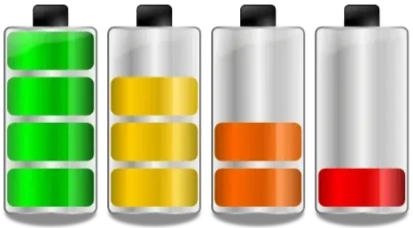
Your energy levels fluctuate throughout the day, and paying attention to these natural rhythms can help you time your decisions wisely. Making important decisions when you’re tired or stressed increases the risk of decision fatigue.
Try this: Plan your day around your energy peaks. If you know you feel more energized in the late morning, schedule meetings or make big decisions during that time.
10. Learn to Let Go
One major contributor to decision fatigue is the fear of making the “wrong” choice. It’s easy to overthink, replay decisions in your mind, or dwell on what-ifs. But letting go of perfectionism can free you to make decisions more confidently and move forward.
Try this: Remind yourself that not every decision has life-altering consequences. For smaller choices, set a time limit and stick to it. Trust your instincts—you’re more capable than you think.
Combatting Decision Fatigue Is an Act of Self-Care
When you simplify, prioritize, and build habits that support your mental energy, you’re not just making life easier—you’re taking care of yourself. By reducing the overwhelm of constant decision-making, you can free up space for the things that truly matter, from achieving your goals to spending quality time with loved ones.
The Power of Intentional Choices
One of the most powerful ways to combat decision fatigue is by making more intentional choices in our daily lives. This isn't about adding more tasks to your to-do list or trying to optimize every second of your day—it's about creating space for the decisions that truly matter, so you can approach them with energy and focus.
Being intentional means recognizing that not all decisions are created equal. Some choices require our full attention, while others are less impactful. The key is learning to differentiate between the two and directing our energy to the decisions that truly align with our values, priorities, and goals.
Here’s how making intentional choices can reduce decision fatigue and increase your overall well-being:
Simplify Your Routine
Many of us make dozens of small decisions each day, from what to wear to what to eat, and this can drain our mental energy before we even start tackling bigger tasks. Simplifying your routine—whether it’s creating a capsule wardrobe, meal prepping, or automating parts of your day—can reduce the number of trivial decisions you need to make.
Tip: Choose a few things to automate. For example, you could set up automatic grocery deliveries, pre-schedule meetings, or decide on a set workout routine. When your routine is simplified, you can save your mental energy for more important, higher-priority decisions.
Prioritize with Purpose
In the hustle of everyday life, we can get caught up in making quick decisions without thinking about how they align with our bigger goals. By taking the time to reflect on what truly matters to you and where you want to focus your energy, you can prioritize tasks and decisions that drive you forward. This reduces the feeling of being pulled in too many directions.
Tip: At the start of each week or day, write down the 3-5 most important things you need to focus on. When you make decisions, ask yourself: “Will this support my core goals for today, this week, or this year?”
Create Decision-Making Filters
A great way to reduce the strain of making decisions is to create filters or decision-making frameworks that align with your values. For example, you could ask yourself a few simple questions before making a decision: “Does this support my health and well-being?” “Is this in line with my career aspirations?” “Will this bring me joy or satisfaction in the long term?”
Tip: Set boundaries around your decision-making process. For instance, make a rule that you won’t commit to meetings or events that conflict with your time for self-care or family. By having these pre-set filters, it’s easier to say no to things that don't serve your larger goals.
Delegate and Outsource
Sometimes, the best way to preserve your decision-making energy is by letting go of tasks that don’t require your direct input. Whether it's delegating at work or outsourcing tasks in your personal life (like house cleaning or hiring a virtual assistant), freeing yourself from unnecessary decision-making can help you focus on what truly matters.
Tip: Take a moment to evaluate your workload. Is there anything you can delegate, automate, or outsource? It might feel like a big step, but it’s one that can make a huge difference in your mental load.
Embrace ‘Good Enough’
Perfectionism can be a major drain on your energy. When you're constantly striving for the perfect answer or solution, you’re making more decisions than necessary. Instead of overthinking, aim for “good enough.” Once you make a decision, move forward and trust that you can course-correct later if needed.
Tip: If you find yourself stuck in a cycle of overthinking, set a timer for 15 minutes to make a decision. After that, commit to moving forward and trust the process.
Why Intentional Choices Matter
By practicing intentional decision-making, you're actively reducing the burden of daily choices and preserving your mental energy for things that really matter. It empowers you to show up as the best version of yourself in all areas of life—whether that’s at work, in your relationships, or in your personal pursuits.
As you begin to align your decisions with your core values, you'll start to feel a greater sense of ease and clarity. Your decisions won't feel like endless to-dos—they’ll become purposeful steps that move you toward the life you truly want to create.
In turn, this leads to less stress, more resilience, and ultimately, a greater capacity for success and happiness.
Reclaim Your Energy and Thrive Through Intentional Choices
Decision fatigue doesn’t have to control your life. By recognizing its impact, understanding the signs, and implementing practical strategies, you can regain your energy and reclaim your ability to make decisions with clarity and confidence.
The key to overcoming decision fatigue lies in making intentional choices. By simplifying your routine, prioritizing with purpose, setting decision-making filters, and embracing the power of delegation, you’re not only saving your mental energy—you’re also creating space for what truly matters to you. Whether it’s advancing in your career, nurturing relationships, or focusing on your health and well-being, intentional decision-making empowers you to thrive through life’s challenges and demands.
As high-achieving women, we often carry the weight of many decisions. But when we approach those decisions with intention and purpose, we can avoid burnout and stay focused on the goals that align with our deeper values. It’s time to let go of the small, draining decisions and free up energy for the ones that make the most impact.
You have the power to lead your life with purpose, to navigate decisions with clarity, and to embrace a path forward that supports your well-being and success. Start today by making one intentional choice—your future self will thank you.
How Can I Help?
For over 20 years, I have dedicated myself to assisting people in transforming from being burned out and disengaged to becoming energized, motivated, and connected. I achieve this through engaging presentations, team-building workshops, leadership training, and both onsite and virtual retreats.
If you're curious about my services for your organization or association on this topic or others, start here and we can arrange a time to connect!
If you found this article helpful - please share it... and tag me if you do!!



Comments